Tel:13710723199
Email:gzlfypj@163.com
Address:No. 1, Xingye Road, Xicheng Village, Renhe Town, Baiyun District, Guangzhou City
Leather goods OEM processing is a complex and meticulous process that encompasses multiple stages from design to finished product. The following are the common processes in leather goods OEM processing, which ensure product quality and meet customized customer needs.
I. Customer Requirement Communication and Confirmation
This is the first and most crucial step in the leather goods OEM process. At this stage, the OEM factory needs to communicate deeply with the customer to clarify their needs and expectations. This includes understanding the desired style, color, material, size, and quantity of the leather goods. At the same time, both parties need to reach an agreement on details such as delivery time, price, and after-sales service. To ensure the accuracy and effectiveness of communication, the OEM factory typically provides detailed product descriptions and design drawings for customer reference and makes necessary adjustments based on customer feedback.
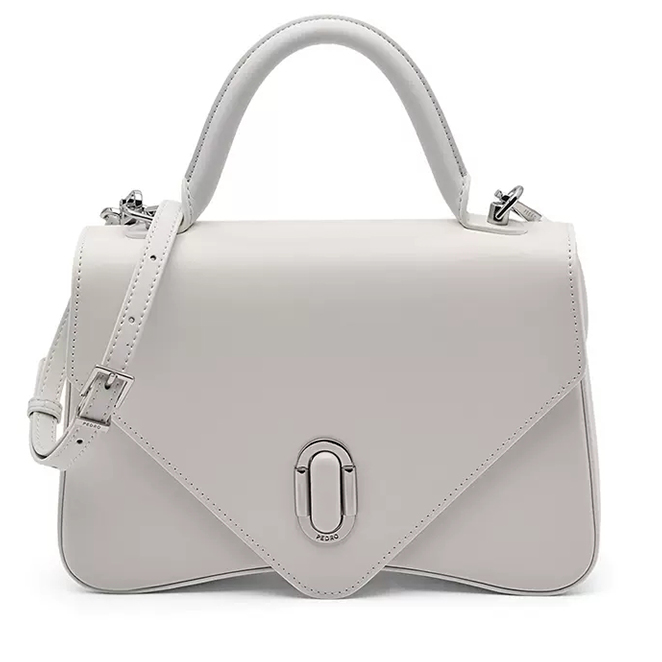
II. Design and Sampling
After confirming customer requirements, the OEM factory proceeds with the design of the leather goods. The design team creates detailed style drawings and renderings based on customer requests and market trends. Subsequently, they produce samples according to the drawings for customer confirmation. During the sample making process, the OEM factory pays special attention to detail processing, dimensional accuracy, and process requirements to ensure the sample truly reflects the design effect. Upon receiving the sample, the customer will carefully inspect and evaluate it. If satisfied, they confirm the sample and move to the next stage; if not, they provide modification suggestions, and the design team makes necessary adjustments and reproduces the sample based on customer feedback.
III. Material and Accessory Procurement
After sample confirmation, the OEM factory begins procuring the necessary leather, auxiliary materials, and hardware accessories according to customer requirements and order quantity. During the procurement process, the OEM factory pays special attention to material quality and environmental friendliness to ensure product quality. At the same time, they establish stable relationships with suppliers to ensure timely supply and favorable prices.
IV. Production Preparation and Scheduling
After material and accessory procurement is completed, the OEM factory undertakes production preparation, including formulating production plans, arranging production lines, and allocating personnel. At the same time, they create a reasonable production schedule based on order quantity and delivery time to ensure timely product delivery.
V. Production and Quality Control
Production is the core link in the leather goods OEM process. At this stage, the OEM factory conducts mass production of leather goods according to the customer-confirmed sample and drawings. During production, the OEM factory pays special attention to the standardization of production processes and the stability of product quality. To ensure product quality, the OEM factory sets up multiple quality inspection points and conducts strict quality testing on semi-finished and finished products. If quality issues are found, they take immediate corrective measures to prevent the problem from escalating.

VI. Packaging and Logistics
After production is completed, the OEM factory packages the finished products. During the packaging process, they choose appropriate packaging materials and methods based on customer needs and product characteristics to ensure the products are not damaged during transport. Subsequently, the OEM factory arranges logistics to deliver the products to the customer-specified location. During the logistics process, they closely monitor the transportation status and communicate promptly with the customer to ensure timely arrival.
VII. After-sales Service and Feedback
After product delivery, the OEM factory also provides after-sales service. If customers encounter problems or need repair services during use, they respond actively and provide solutions. At the same time, the OEM factory collects customer feedback to continuously improve product and service quality.
In summary, the leather goods OEM process covers multiple stages from customer requirement communication and confirmation to after-sales service and feedback. These stages are interconnected and mutually supportive, collectively forming a complete system for the leather goods OEM process.